Notes from the street · Paris
One of you planned this entire trip. It was probably not both of you.
The person who always plans is the person who never gets planned for. Here is how to give them one evening back.

I stop strangers in Paris every week and ask them about love. After enough of those conversations, something started showing up too often for me to keep calling it a coincidence.
Ask a couple how they ended up at that particular spot and one of them answers. The same one, every time. They found the restaurant. They read the reviews. They built the day, then the day after that, then the whole week.
The other one shows up and enjoys it.
More often than not the planner is the woman. Not always. But the split is almost never even, and both of them know exactly who it is before either says a word.
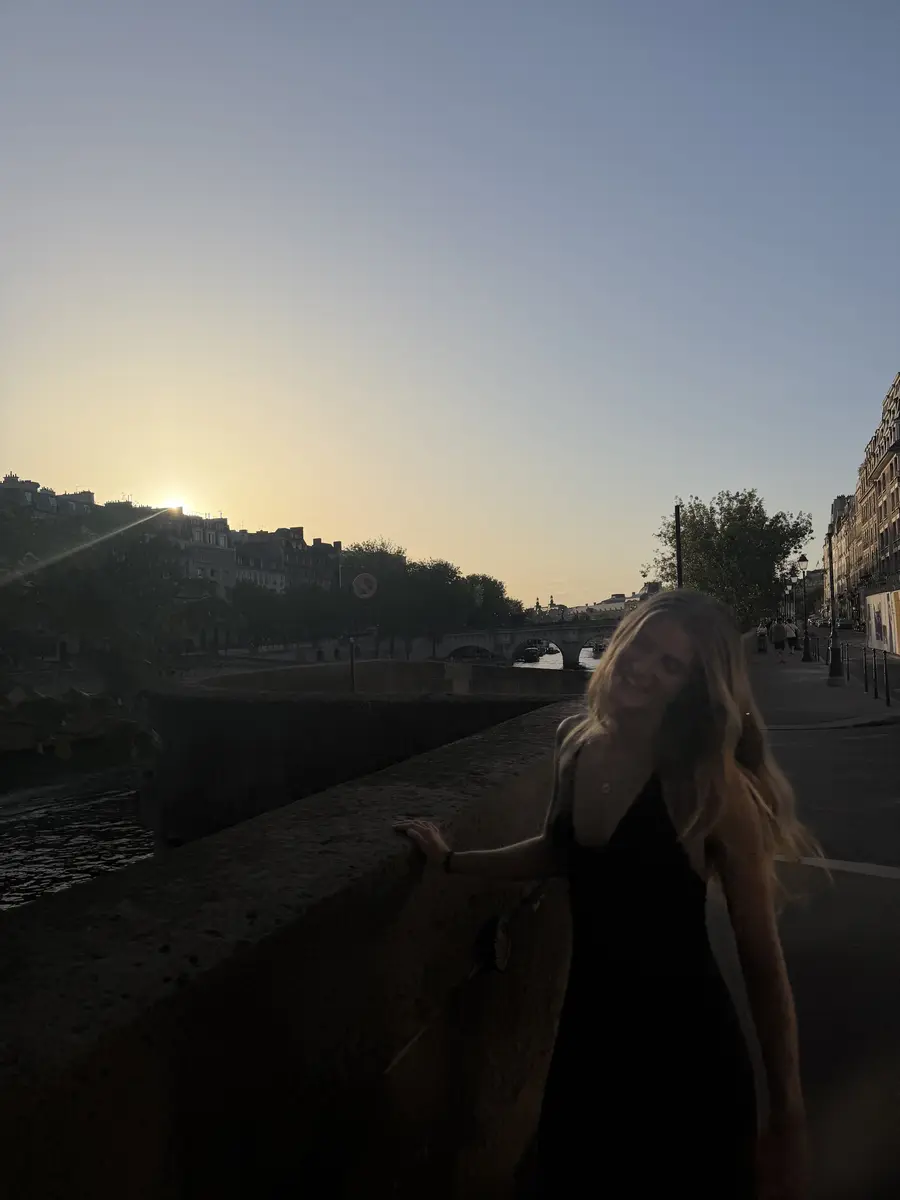
There is nothing wrong with this. Someone has to hold the plan, and some people genuinely like holding it.
But here is the part I keep turning over. What we love giving is usually what we would love to receive. Someone who builds a beautiful trip for the person they love is telling you, in the clearest way there is, what would land if somebody did it for them.
And they almost never get it.
The one who plans everything is the one nobody ever plans for.
So this is the small argument I want to make. Not that you split the trip down the middle. Just that one evening out of the whole thing gets built by the other one. The one who does not usually do this.
What planning actually means
And I want to be specific here, because booking a table is not it. Neither is ten minutes on Google Maps.
An evening works when it has several parts and the parts belong to each other. Where you start decides how the conversation opens. What comes next decides whether it keeps going. And the ending is the thing you will both still be describing to people a year later, so it cannot be whatever you happened to walk past on the way to the metro.
Four things decide whether it holds together.
The order matters more than the places
You can pick five good spots and still have a flat evening if you take them in the wrong sequence. Somewhere quiet first, while you both still have things to say. The loud part in the middle. The view at the end, never at the start.
Most itineraries hand you a list and leave you to work out the thread yourself, usually while standing on a corner at nine at night.
Leave room for the evening to drift
A plan that is timed to the minute stops being romantic and starts being a schedule. But a plan with no shape at all turns into forty minutes of standing outside a closed door deciding what to do.
The answer is choosing places that let you drift. Some parts of Paris give you three good options within two minutes of wherever you are standing. Others give you nothing for half a mile. Knowing which is which is most of the job.
Cliché is not the same as bad
People will tell you the Eiffel Tower is too obvious. It is not. The question was never whether you go, it is where you stand when you do.
There are viewpoints that are loud, crowded, and worked by people selling bracelets, where you take a photo and leave feeling like you did a task. And there are places, some of them a few minutes away from those, where it is quiet enough to keep whatever mood you spent the last two hours building, and the tower is still right there.
The metro cuts the evening in half
Every time you go underground you break the thread. You lose the light, the river, the conversation you were in the middle of. You come back up somewhere unfamiliar and spend four minutes looking at a phone instead of at each other.
A good Paris evening is one continuous line, walked in one direction.
The timing nobody tells you
None of this is complicated. It is just the kind of thing you only learn by getting it wrong once, and you get one evening.
Why this is hard to look up
Search for a romantic evening in Paris and you get a top ten. Ten places, ranked, with no relationship to each other. Nothing about what order to take them in, how long the walk between them really is, or what time to start so the ending lands where it should.
Review sites push whatever has the most reviews, which usually means the places built for visitors and priced for them. Ask an AI and it will send you somewhere that closed two years ago, with total confidence. I have watched it happen.
What I actually do
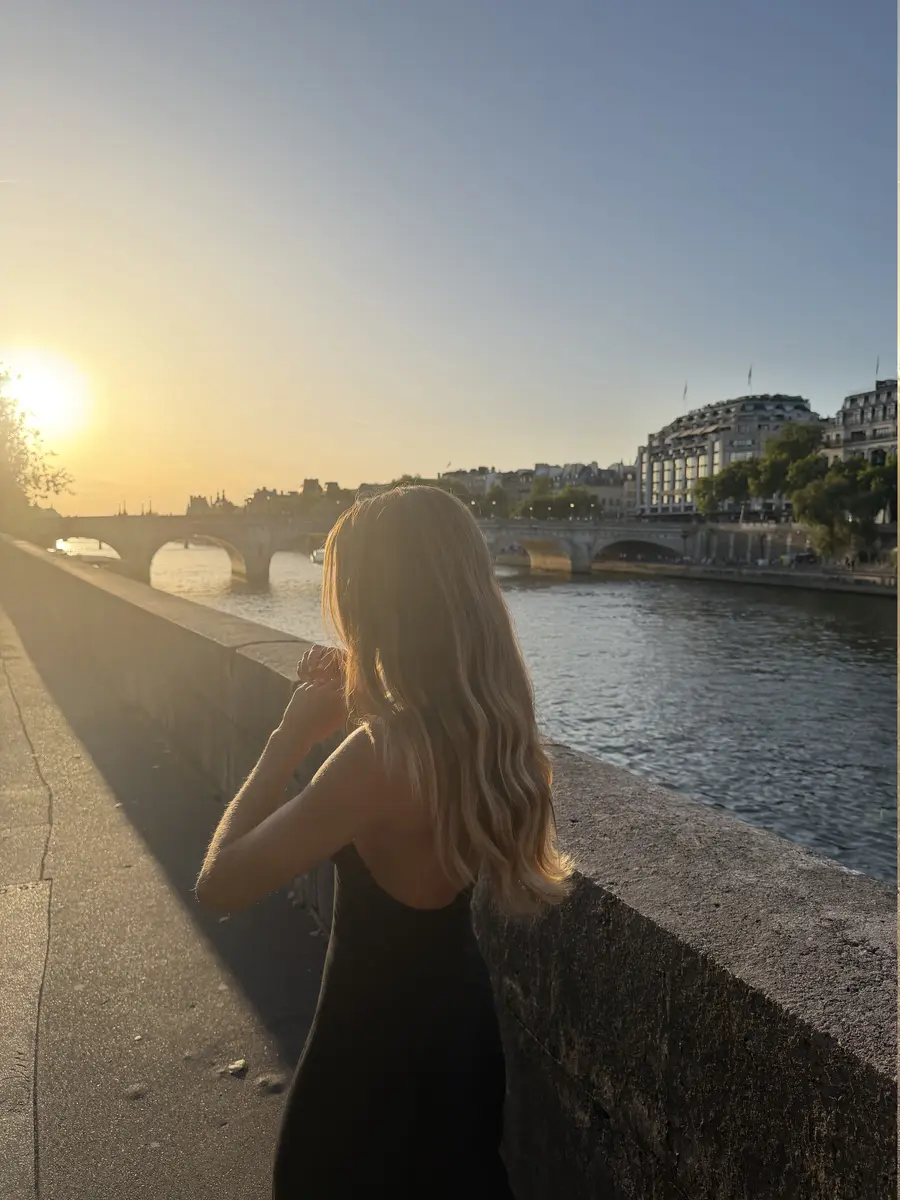
I walk here. Not for work, it is how I get my ten thousand steps in. And after enough of it you stop seeing a map and start seeing an order. Which street to take at which hour. Where to stop so the conversation has somewhere to go next. Which corner is quiet at ten and unbearable at eleven. Where to stand so the tower looks the way it does in your head.
None of that is in a guidebook, because it is not information. It is the shape of an evening, and you only get it by doing it over and over.